

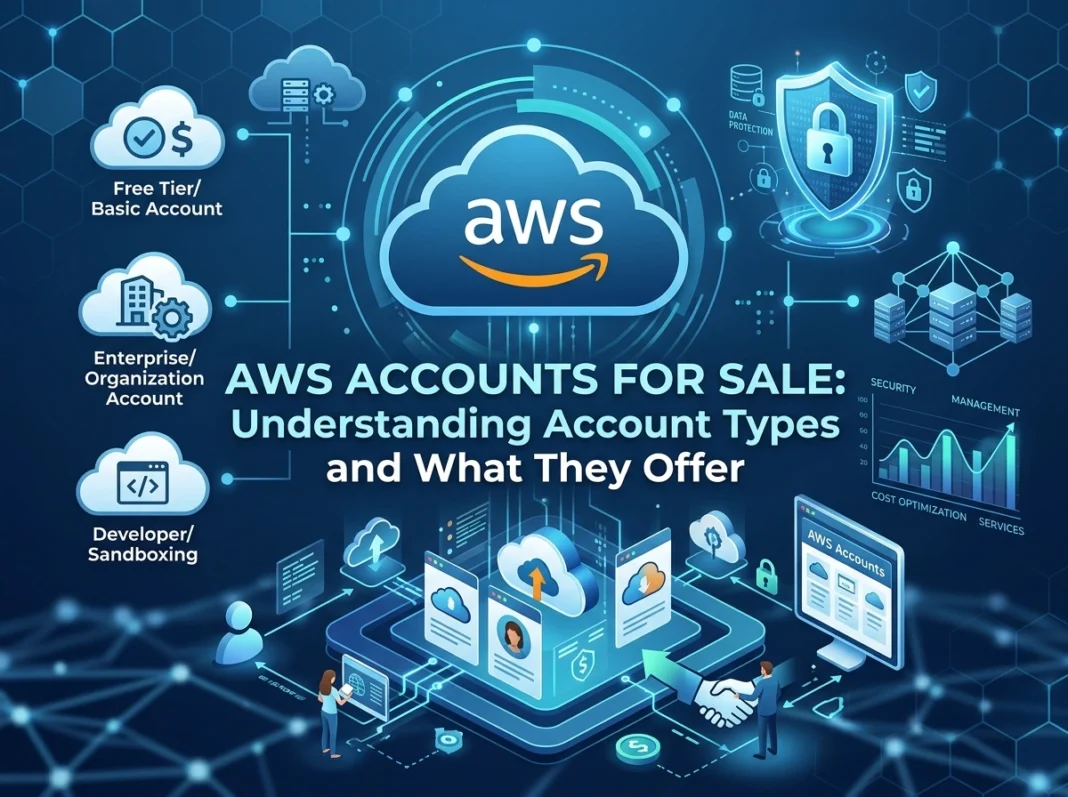
Amazon Web Services powers a huge slice of the internet. From small startups to global enterprises, businesses rely on AWS for storage, computing power, databases, and dozens of other cloud services. As demand grows, so does interest in ready-made AWS accounts. Many developers and companies now look for AWS accounts that come preconfigured, verified, or ready to scale.
Before you buy, it helps to understand the different account types, what each one offers, and how to choose the right fit. This guide breaks down everything you need to know.
Why People Buy AWS Accounts
Setting up an AWS account from scratch can take time. You need to verify payment details, pass identity checks, and sometimes wait for service limits to lift. For teams that want to move fast, a preconfigured account removes these hurdles.
Here are common reasons buyers turn to ready-made accounts:
- Speed: Skip the setup and verification process and start building right away.
- Higher limits: Some accounts come with raised service quotas, which new accounts often lack.
- Established history: Older accounts may carry a usage record that helps with certain provider checks.
- Avoiding regional restrictions: Some users face limits based on location and seek accounts that work in their target region.
While there are clear benefits, it’s important to work with a trusted source. If you’re exploring options, you can review verified AWS Accounts For Sale to see what’s available and compare account types.
The Main AWS Account Types
AWS doesn’t sell “tiers” in the traditional sense, but accounts are often grouped by their features, usage levels, and support plans. Below are the most common categories you’ll come across.
Free Tier Accounts
The Free Tier is where most new users start. Amazon offers it to let people test services without spending money upfront.
What it offers:
- 12 months of limited free access to popular services like EC2, S3, and RDS.
- Always-free products such as AWS Lambda (up to a monthly request limit).
- A safe space to experiment and learn.
Best for: Students, hobbyists, and developers who want to explore AWS before committing to paid plans. Free Tier accounts are great for small test projects but quickly hit limits once real workloads begin.
Standard (Pay-As-You-Go) Accounts
Once you outgrow the Free Tier, a standard account becomes the default. You pay only for what you use, with no fixed contract.
What it offers:
- Full access to the entire AWS catalog.
- Flexible billing based on actual consumption.
- The ability to scale up or down as needed.
Best for: Freelancers, growing startups, and small businesses. This is the most popular account type because it balances flexibility with cost control. You don’t pay for idle resources, which keeps budgets predictable.
Business Accounts
Business accounts add a layer of support and management tools on top of the standard setup. They suit teams that run important workloads and can’t afford long downtime.
What it offers:
- 24/7 access to technical support by phone, chat, and email.
- Faster response times for urgent issues.
- Access to AWS Trusted Advisor for cost and performance checks.
- Tools for managing multiple users and permissions.
Best for: Medium-sized companies running production apps. If your business depends on uptime and you need expert help fast, the Business support plan is a smart upgrade.
Enterprise Accounts
Enterprise accounts are built for large organizations with complex needs. They come with the highest level of support and dedicated guidance.
What it offers:
- A dedicated Technical Account Manager (TAM).
- The fastest response times for critical issues, often within 15 minutes.
- Concierge support for billing and account questions.
- Custom architecture reviews and planning sessions.
Best for: Large corporations, agencies managing many clients, and businesses with mission-critical systems. The cost is higher, but the value comes from personalized support and proactive planning.
Key Features to Compare Across Account Types
When you weigh one account type against another, focus on the features that matter most to your goals.
Service Limits and Quotas
Every AWS account has limits on how many resources you can launch. New accounts start with low quotas. Established or upgraded accounts often carry higher limits, which saves you from filing request after request.
Support Level
Support ranges from basic (free) to enterprise-grade. Think about how much help you’ll need. A solo developer may be fine with community forums, while a busy team needs guaranteed response times.
Billing and Payment Flexibility
Some accounts include credits, while others are tied to specific payment methods. Check the billing setup carefully so there are no surprises later.
Verification Status
A fully verified account is ready to use without extra steps. This is one of the biggest reasons buyers seek preconfigured accounts.
Use Cases for Businesses and Developers
Different account types fit different goals. Here’s how they map to real-world needs.
For Solo Developers and Freelancers
A standard pay-as-you-go account usually does the job. It gives full access without the cost of premium support. You can host websites, run small apps, and test new ideas.
For Startups Scaling Fast
Startups often need higher limits and reliable support. A business account, or a preconfigured standard account with raised quotas, lets them grow without hitting roadblocks.
For Agencies and Resellers
Agencies that manage cloud services for clients benefit from accounts that are ready to deploy. Buying verified accounts can speed up onboarding and reduce setup work.
For Large Enterprises
Big companies lean toward enterprise accounts. The dedicated support and planning sessions help them manage thousands of resources across many teams.
What to Look For Before You Buy
Buying an AWS account requires care. Keep these points in mind to protect your investment.
- Verify the seller’s reputation: Read reviews and check for clear contact details.
- Confirm the account status: Make sure the account is active, verified, and free of past violations.
- Understand the billing setup: Know which payment method is linked and whether any credits apply.
- Ask about service limits: Higher quotas add real value, so confirm them upfront.
- Check support level: Make sure the support plan matches your needs.
- Review compliance: Always follow Amazon’s terms of service to avoid suspension risks.
Making the Right Choice
The best AWS account depends entirely on your goals. A learner only needs the Free Tier. A growing business wants flexibility and solid support. A large enterprise needs dedicated help and high limits.
Take time to map your workloads, budget, and support needs before deciding. A clear plan helps you pick an account that grows with you rather than holding you back.
Final Thoughts
AWS accounts come in several shapes, each built for a different stage of growth. From the free entry point to full enterprise support, there’s an option for every type of user. Understanding what each account offers makes it easier to choose wisely and avoid costly mistakes.
Whether you’re a developer testing a new idea or a company scaling fast, the right account sets the foundation for success. Compare the features, weigh the support levels, and always buy from a trusted source. With the right setup in place, you’ll spend less time on logistics and more time building what matters.